


Gas Chromatograph - GC Analyzer - 450°C Column Oven - 120°C/min Heating Rate
Inhouse product


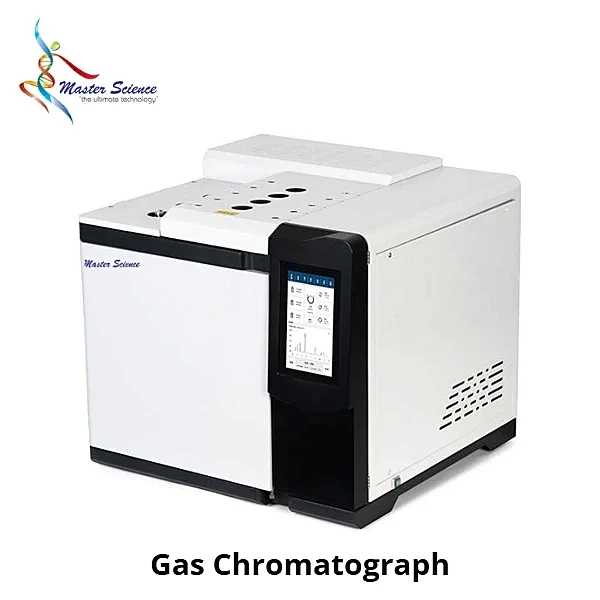
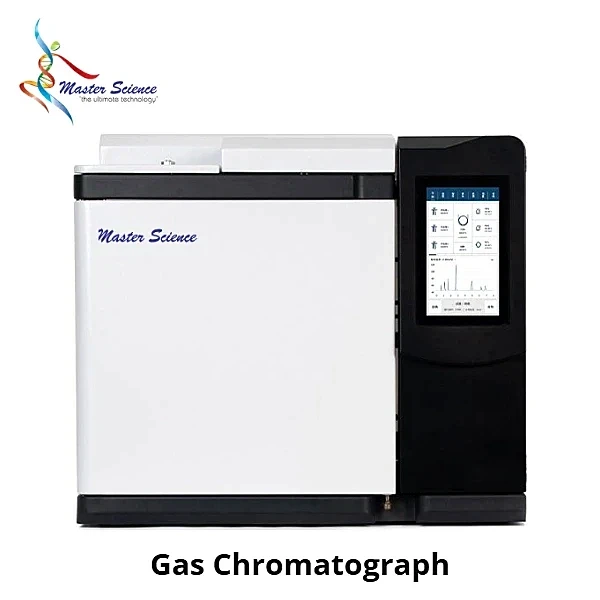
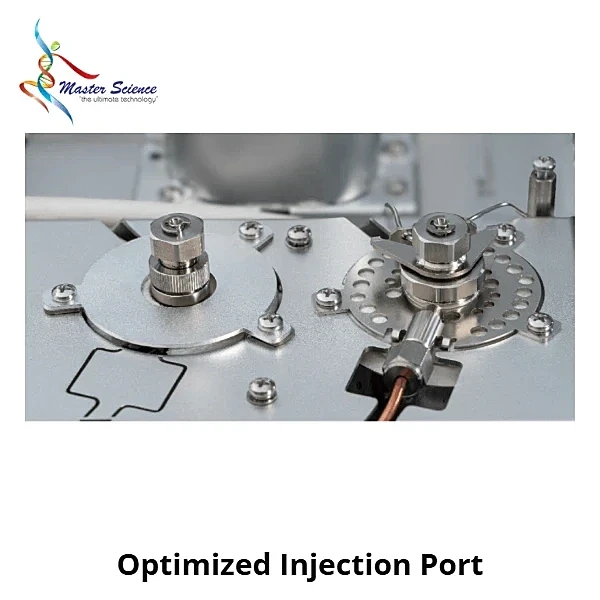
The Master Science Gas Chromatograph is a laboratory GC built for the routine separation and measurement of volatile and semi-volatile compounds. A redesigned injection system improves the accuracy and repeatability of each injection, while an upgraded electronics platform speeds up data handling and keeps the instrument stable during long working days.
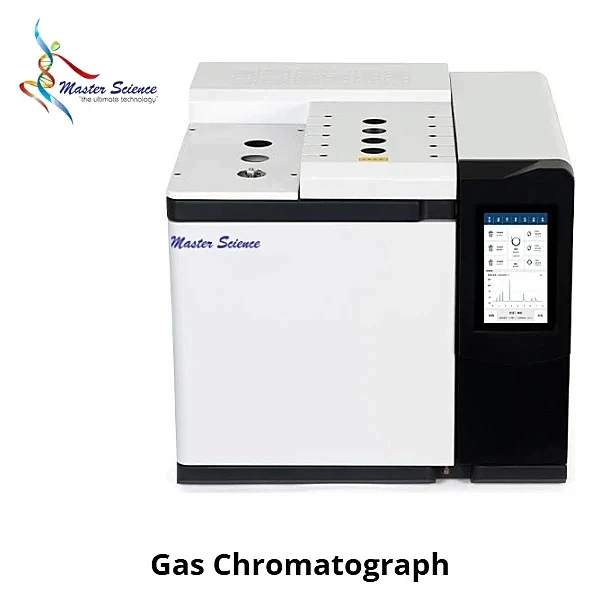
Up to three inlets and four detectors can be fitted to the same mainframe, so one instrument can be configured for natural gas, refinery gas, LPG, solvent residue and general quality control methods.
Technical Specifications
The main specifications of the Master Science Gas Chromatograph are summarised below for quick comparison with your method requirements.
- Brand: Master Science
- Model Number: MSGC-900ASWISS
- SKU: MSGC-900ASWISS
- Pressure / Flow Control: Mechanical control
- Inlets Supported: Up to 3
- Detectors Supported: Up to 4
- Temperature Control: 8 independent temperature zones
- Column Oven Range: Ambient +5 °C to 450 °C
- Oven Setting Resolution: 0.01 °C
- Maximum Heating Rate: 120 °C/min
- Cool-down Time: 450 °C to 50 °C in less than 5 minutes
- Temperature Program: 20 or more ramp steps
- Oven Temperature Stability: Variation below 0.01 °C per ±1 °C ambient change
- Oven Protection: Automatic over-temperature protection
- Inlet Options: Split/splitless capillary, septum-purged packed column, cold on-column, PTV, valve, headspace and thermal desorption injection
- Inlet Maximum Temperature: 450 °C
- Inlet Extras: Independent split-line cold trap and septum purge trap
- FID Maximum Temperature: 450 °C
- FID Detection Limit: ≤ 4.3 pg C/s (n-hexadecane)
- FID Baseline Noise: ≤ 2 × 10⁻¹⁴ A
- FID Baseline Drift (30 min): ≤ 2 × 10⁻¹³ A
- FID Linear Range: ≥ 10⁷
- FID Ignition: Automatic
- TCD Sensitivity: ≥ 8000 mV·mL/mg
- TCD Baseline Noise: ≤ 0.05 mV
- TCD Baseline Drift (30 min): ≤ 0.2 mV
- TCD Linear Range: ≥ 10⁵
- TCD Protection: Carrier gas flow-loss protection
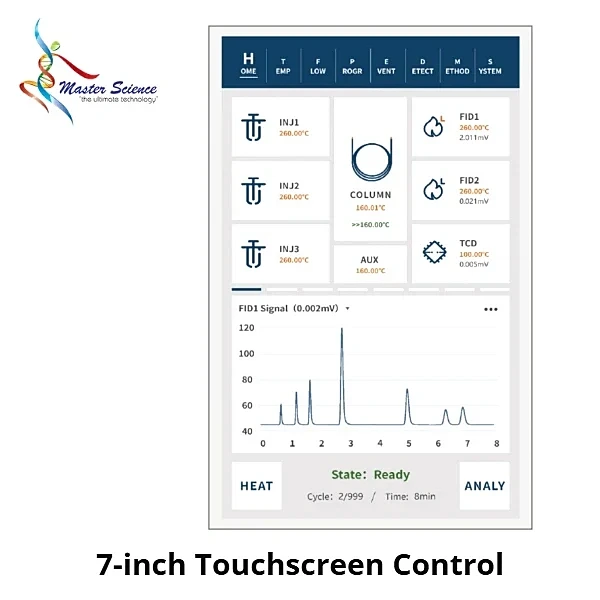
- Display: 7-inch capacitive touchscreen
Key Benefits
- Repeatable injections: the reworked inlet design keeps sample transfer consistent from run to run, which shows up as tighter peak area repeatability.
- Faster turnaround between runs: a 120 °C/min ramp and cool-down from 450 °C to 50 °C in under five minutes shorten each analytical cycle.
- One mainframe, many methods: the Master Science Gas Chromatograph accepts three inlets and four detectors, so FID and TCD work can share a single instrument.
- Easy daily operation: method parameters and instrument status are set and checked directly on the 7-inch touchscreen.
- Long service life: the upgraded circuit system and sturdy construction are designed for continuous operation in demanding labs.
Laboratories that run both GC and LC methods can pair this unit with the Master Science HPLC liquid chromatography system to cover volatile and non-volatile analytes.
Product Features
Touchscreen Control
- 7-inch high-definition capacitive touchscreen
- Clear menu layout that new users learn quickly
- Parameter entry and live status monitoring on the instrument itself
Injection System
- Redesigned inlet built from durable materials
- Manual and automatic injection supported
- Compatible with split/splitless, packed column, valve, headspace and thermal desorption inlets
- Quick-disconnect fittings for faster inlet changes
Oven and Detectors
- Eight independent heated zones
- Programmable ramps with 20 or more steps
- FID with auto-ignition and TCD with flow-loss protection
Applications
The Master Science Gas Chromatograph is suited to petrochemical, environmental and quality control work, including:
- Sulfur compound analysis in natural gas
- Liquefied petroleum gas (LPG) composition
- Fast refinery gas analysis
- Refinery flue gas analysis
- Residual solvent and purity testing in pharmaceutical and chemical QC
Optional Accessories
- ALS-24 automatic liquid sampler
- AHS-16 headspace autosampler
- HGZ-300 hydrogen generator
- GA-2009 compressed air generator
Common Laboratory Problems and How This GC Helps
Typical GC issues in busy laboratories and how the Master Science Gas Chromatograph deals with them:
- Poor peak area repeatability: the optimised inlet design improves injection consistency.
- Long waits between runs: fast oven heating and cooling reduce cycle time.
- Separate instruments for each detector type: up to four detectors run on one mainframe.
- Unstable baselines over long sequences: low FID and TCD noise and drift support reliable integration.
- Complex software for new staff: the touchscreen interface keeps routine tasks simple.
Frequently Bought Products
"Explore Master Science, your trusted provider of high-quality laboratory equipment and innovative solutions. Discover our extensive range of analytical instruments and exceptional customer support, all dedicated to empowering scientific discovery across industries. Join us in advancing research and setting new standards globally."


